Discover the Rich Flavors of Mexican Food: A Trip With Its Popular Cuisines
Mexican cuisine offers a tapestry of flavors and customs that reflect its rich cultural heritage. Each dish, from the beloved tacos to the elaborate mole, carries its own story and importance. The varied active ingredients and cooking techniques highlight local variations and public eating experiences. As one discovers these prominent meals, the deepness and variety of this culinary landscape come to be increasingly apparent, welcoming curiosity regarding what lies beyond the surface of these iconic flavors.
Tacos: The Ultimate Mexican Road Food
Tacos, commonly considered the quintessential Mexican road food, embody the rich culinary customs of Mexico. These savory productions consist of a crunchy or soft tortilla full of a selection of components, showcasing a variety of structures and flavors. From full-flavored meats like carnitas and al pastor to vegetarian options including beans, cheese, or grilled veggies, tacos use something for every single palate.
The simplicity of the taco allows for endless customization, frequently covered with fresh cilantro, onions, salsas, and lime. Road vendors throughout Mexico masterfully prepare tacos, offering them fresh and hot to enthusiastic consumers. The communal nature of taco intake promotes a sense of connection among restaurants, as they share varied fillings and garnishes.
This cherished dish not just stands for the culinary virtuosity of Mexico yet also works as a sign of social identity, showing the vibrant spirit of the country's food scene. hand crafted margarita.
Enchiladas: Rolled Pleasures in a Flavorful Sauce
Enchiladas stand for a rich custom in Mexican food, showcasing a variety of active ingredients and regional adaptations. The prep work of these rolled tortillas, frequently full of veggies, meats, or cheeses, entails particular food preparation techniques that boost their flavor. Comprehending the nuances of both conventional components and cutting-edge variations can elevate the enchilada experience.
Conventional Ingredients and Variants
Among the perfect dishes of Mexican food, enchiladas are celebrated for their convenience and rich tastes. Commonly, corn tortillas work as the base, usually full of a selection of components such as shredded chicken, beef, cheese, or beans. The fillings can be complemented by a variety of sauces, ranging from red chili to eco-friendly tomatillo, each adding its unique preference. Variations are plentiful throughout areas, with some integrating local active ingredients like fish and shellfish in coastal areas or mole in Oaxaca. Toppings might include sour lotion, avocado, cheese, or lettuce, enhancing both flavor and discussion. This adaptability permits enchiladas to mirror the varied cooking heritage of Mexico, making them a beloved option for many.
Cooking Strategies and Tips
Understanding the art of preparing enchiladas includes comprehending numerous cooking strategies that enhance their flavor and structure. Selecting the ideal tortilla is vital; corn tortillas are standard and give authentic preference. When rolled, they must be gently heated to protect against splitting. The filling, typically a mixture of meats, cheese, or vegetables, need to be seasoned well to infuse flavor. As soon as loaded, enchiladas are rolled tightly and put in a baking recipe. A savory sauce, eco-friendly or normally red, need to be poured kindly over them prior to cooking. Cooking allows the tastes to fuse and celebrity to melt magnificently. Ultimately, garnishing with fresh garnishes like cilantro, onions, or sour lotion includes a burst of freshness, elevating the recipe to brand-new elevations.
Mole: The Complexity of Mexico's Trademark Sauce
Mole sticks out as an essential element of Mexican food, showcasing a rich tapestry of ingredients and regional variations. This complex sauce not only boosts dishes but likewise personifies deep social significance and customs that have actually been given via generations. Recognizing mole requires an admiration of both its varied parts and its role in celebrations and daily life.
Variants and active ingredients
A hallmark of Mexican cuisine, mole showcases a rich tapestry of active ingredients and local variants that reflect the nation's diverse cooking landscape. Usually, mole integrates a range of chiles, spices, nuts, seeds, and chocolate, developing a complicated taste account. One of the most renowned version, mole poblano, hails from Puebla and attributes components like ancho and pasilla chiles, almonds, and dark chocolate. Other regional ranges, such as mole negro from Oaxaca, emphasize different seasonings and techniques, leading to distinct tastes and appearances. Some moles may incorporate fruits, natural herbs, or also regional specialties, better enhancing their originality. This flexibility allows mole to be a versatile enhancement for numerous recipes, particularly meats, showcasing the depth and splendor of Mexican cooking practices.
Cultural Importance and Practices
While typically celebrated for its abundant tastes, mole also holds deep cultural significance in Mexican culture, offering as a symbol of heritage and tradition. This facility sauce, with its blend of components and strategies, mirrors the historical combination of check these guys out colonial and indigenous influences. Commonly, mole is prepared throughout considerable celebrations, such as weddings and spiritual vacations, showcasing its role in common events and family connections. Each region flaunts unique variants, better stressing regional pride and identification. The act of making mole can be viewed as a routine, gave through generations, reinforcing familial bonds and social connection. As a result, mole goes beyond mere food; it embodies the spirit and resilience of Mexican culture, making it a cherished culinary work of art.
Tamales: A Practice Wrapped in Corn Dough
Tamales represent a treasured tradition in Mexican food, personifying both cultural importance and culinary virtuosity. These wonderful parcels are made from masa, a dough originated from corn, which works as a canvas for a selection of fillings, such as cheeses, vegetables, or meats. freshly made guacamole. Wrapped in corn husks or banana leaves, tamales are steamed to perfection, permitting the tastes to blend beautifully
Historically, tamales have been enjoyed for centuries, frequently prepared during cheery celebrations and family members gatherings. They symbolize area and togetherness, as the process of making tamales is frequently a common activity, with relative coming together to share strategies and dishes. Each area of Mexico boasts its one-of-a-kind variations, showcasing the diversity of components and regional personalizeds. Whether served with salsa or appreciated on their very own, tamales continue to be a precious meal that continues to connect generations, celebrating both heritage and the abundant tapestry of Mexican cooking practices.
Ceviche: Quality From the Sea
Ceviche, commemorated for its invigorating qualities and lively tastes, stands as a demo of the bounty of the sea in Mexican cuisine. This meal typically features fresh fish or seafood, marinaded in citrus juices, mainly lime, which properly "cooks" the protein while instilling it with a zesty brightness. Usually incorporated with components such as sliced onions, tomatoes, cilantro, and chili peppers, ceviche offers an unified mix of structures and flavors that catch the significance of seaside living.
Regions across Mexico have their very own variants, showcasing neighborhood fish and shellfish and one-of-a-kind seasoning combinations. In the Yucatán Peninsula, ceviche is typically combined with avocado and seasoned with a hint of orange juice for a tropical twist. Offered cooled, this dish is not only a favored appetiser yet also an invigorating alternative on cozy days, personifying the spirit of celebration and community found in Mexican cooking practices.
Chiles Rellenos: Stuffed Peppers With a Kick
Chiles Rellenos exhibit the vibrant and diverse tastes that identify Mexican food, similar to ceviche showcases the freshness of the sea. lunch and dinner. These stuffed peppers are typically made with poblano or Anaheim peppers, which are thoroughly baked to enhance their flavor and scent. Once peeled off, the peppers are loaded with a savory mixture, frequently consisting of cheese, meat, or beans, creating a wonderful collection of textures and preferences
After being stuffed, the chiles are usually dipped in a light batter and fried up until gold brown, adding a satisfying problem. They are often offered with an abundant tomato sauce or salsa, more boosting their taste profile. This recipe is a preferred in several Mexican houses and restaurants, symbolizing the dynamic spirit of the cuisine. Chiles Rellenos not only satisfy the palate however likewise display the cooking creativity associated with producing conventional Mexican meals that commemorate both warm and taste.
Guacamole: The Creamy Avocado Dip That Takes the Show
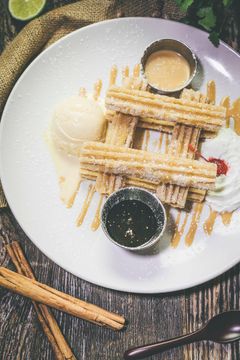
Its adaptability enables it this contact form to enhance various meals, from tacos to barbequed meats, while additionally offering as a dip for tortilla chips. The preparation can range from a simple mash to a more intricate variation with included ingredients like garlic or pomegranate seeds.
Guacamole is usually associated with celebrations, boosting the experience of sharing food. Its appeal has caused various variants, however the timeless recipe remains a precious comfort food. Ultimately, guacamole exhibits the heart of Mexican culinary traditions, enchanting palates with each creamy bite.
Regularly Asked Questions
What Are the Main Ingredients in Standard Mexican Food?
Traditional Mexican cuisine primarily includes corn, beans, chilies, tomatoes, and different herbs and spices. Additionally, ingredients like avocados, lime, and meats such as chicken and pork add to the diverse tastes and structures.
How Has Mexican Cuisine Influenced Other Culinary Traditions?
Mexican food has significantly influenced international cooking traditions via its vivid use flavors, techniques, and components. Elements like corn, chili, and beans have incorporated right into various recipes worldwide, improving flavors and encouraging combination cuisines.
Exist Vegetarian Options in Mexican Food?
Yes, Mexican cuisine supplies countless vegetarian choices, consisting of dishes like chiles rellenos, enfrijoladas, and numerous tacos full of beans or vegetables. These selections display the lively tastes and active ingredients readily available in typical Mexican food preparation.
What Areas of Mexico Have Unique Cooking Designs?
Distinctive culinary styles in Mexico arise from various areas, including Oaxaca known for its mole, Yucatán with its citrus flavors, Puebla famed for chiles en nogada, and Baja The golden state highlighting fresh seafood and ingenious dishes.
How Do Traditional Mexican Cooking Approaches Differ From Modern Techniques?
Typical Mexican cooking approaches emphasize slow, common preparation, using clay pots and open fire, while contemporary methods usually include sophisticated equipment and faster cooking times, showing a mix of heritage and modern cooking techniques.
